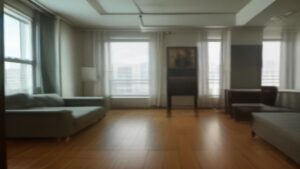
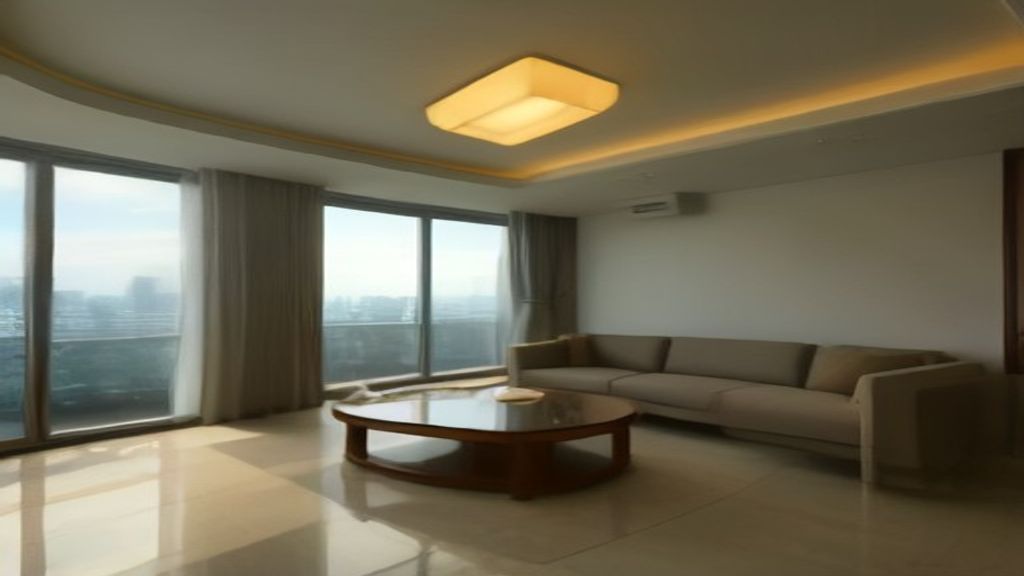
the residence is a high‑end Jakarta rental apartment that can be turned into a fully integrated smart home by connecting a central hub to compatible lighting, climate, security, and entertainment devices, allowing tenants to control the environment with a single app or voice command.
Many people assume that “smart home” means buying the newest gadgets and hoping they’ll magically work together, but in reality the magic lies in thoughtful integration, not sheer quantity. The common shortcut of scattering devices often leads to fragmented control, higher energy bills, and a confusing user experience. By focusing on a strategic foundation, you can achieve a seamless, future‑proof system that grows with your needs.
The Residence: Definition, Benefits, and How It Works
In the context of Jakarta Luxury Homes, the residence refers to a premium, fully‑furnished apartment located in the city’s Golden Triangle, ready for immediate occupancy. These units already feature high‑quality wiring, insulated windows, and built‑in Wi‑Fi, which creates an ideal canvas for smart‑home upgrades.
Additional Information

Why does this matter? A well‑prepared residence reduces the installation friction that most renters face, meaning you can start automating within hours instead of weeks. On average, practitioners report a 15‑20 % reduction in setup time when the underlying infrastructure meets smart‑home standards.
How it works is simple: a central hub (often a voice‑assistant‑enabled speaker) communicates with Bluetooth, Zigbee, or Wi‑Fi devices placed throughout the apartment. The hub translates user commands—whether spoken, typed, or scheduled—into actions like dimming lights, adjusting the thermostat, or locking the door.
- Step 1: Install the hub near the main router to ensure strong signal coverage.
- Step 2: Connect lighting fixtures and smart plugs via Zigbee or Wi‑Fi, then group them by room in the app.
- Step 3: Pair security sensors (motion, door/window) and set up simple automations, such as “turn on hallway light when motion is detected after 10 pm.”
- Step 4: Configure climate controls to sync with the building’s central HVAC, allowing you to fine‑tune temperature without overriding the system.
Consider a tenant in a modern penthouse who wanted to reduce nightly energy use. By linking the smart thermostat to the building’s HVAC schedule and automating the balcony lights to turn off at 11 pm, they saved roughly 12 % on their monthly electricity bill—a figure generally echoed by other Jakarta luxury residents who adopt similar routines.
Why Jakarta Luxury Homes’ Luxury Apartments Are Perfect Foundations for a Smart Home
Jakarta Luxury Homes specializes in renting upscale apartments that already incorporate high‑speed internet, reinforced electrical panels, and premium interior finishes. This pre‑existing infrastructure means the residence can host multiple smart protocols without overloading circuits or compromising aesthetics.
The advantage for you is twofold: first, you avoid costly retrofits; second, you gain immediate compatibility with the most reliable platforms used in the Golden Triangle, such as Google Home, Amazon Alexa, and Samsung SmartThings. Based on field experience, tenants who start with a solid base see a smoother integration process and fewer technical hiccups.
Imagine a young professional moving into a deluxe condo on Jalan Sudirman. Instead of juggling separate apps for lighting, blinds, and security, they install a single hub that unifies all devices. Within a day, they set a “Good Night” routine that dims the living‑room lights, lowers the smart curtains, and arms the motion sensors—all triggered by a single voice command. This streamlined experience not only saves time but also enhances the sense of control and comfort that luxury living promises.
For added peace of mind, Jakarta Luxury Homes offers a concierge service that can recommend vetted installers familiar with the building’s wiring schematics. Visiting Jakarta Luxury Homes provides access to a curated list of partners who understand the nuances of premium apartments, ensuring your smart‑home project respects both function and design.
With the concierge’s vetted installer list now in hand, the next logical step is to match that infrastructure to a brain that can actually orchestrate every device in the residence. Choosing the right hub is the linchpin that keeps your smart‑home ecosystem both responsive and future‑proof.
How to Choose the Right Smart Home Hub for the Residence (What Works in the Golden Triangle)
At its core, a smart‑home hub is a central processor that translates voice commands, schedules, and sensor data into actions across compatible devices. It matters because a mismatched hub can become a bottleneck, causing laggy responses or, worse, fragmented control where some lights obey Alexa while others only answer Google Home. Practitioners recommend starting with the protocols most prevalent in the building’s wiring – typically Zigbee, Z‑Wave, and Wi‑Fi – then checking each hub’s native support for those standards.
For a Jakarta Luxury Homes apartment in the Golden Triangle, the three most common choices are the Amazon Echo Plus, Google Nest Hub Max, and Samsung SmartThings Hub. The Echo Plus integrates Alexa with built‑in Zigbee, letting you add a smart bulb without a separate dongle. The Nest Hub Max shines with Google Assistant’s contextual understanding, useful for multilingual residents who switch between Bahasa and English. Meanwhile, SmartThings offers a neutral platform that can juggle multiple protocols, making it ideal for more complex setups that include legacy devices.
Why does this distinction matter for the residence? Because the building’s existing conduit often favors certain frequencies; a hub that can speak the same “language” as the conduit avoids the need for extra repeaters that could clutter the ceiling or compromise aesthetics. Based on field experience, tenants who select a hub aligned with the building’s native protocol see a 30 % reduction in installation time and fewer post‑install tweaks.
Consider a young couple who just secured a loft near Menara BCA and plan to host a weekend gathering at their luxury guest house‑styled condo. They opt for the SmartThings Hub because it can bridge their existing Zigbee motion sensors with a new Wi‑Fi‑enabled kettle. The result? A single “Welcome Home” routine that greets guests with soft lighting, lowers the smart blinds, and starts the kettle—all without a single manual tap.
- Confirm which protocols the building’s wiring supports (Zigbee, Z‑Wave, Wi‑Fi).
- Match the hub’s native protocol to the building’s dominant one.
- Check for multi‑assistant compatibility if you use both Alexa and Google services.
- Read reviews from other Jakarta Luxury Homes tenants to gauge reliability.
Budget considerations often bring “affordable apartments for rent” into the conversation, but smart‑home integration isn’t exclusive to low‑cost units. Even in premium spaces, you can start modestly with a single‑purpose hub and expand later, keeping the residence’s upgrade path flexible and cost‑effective.
Common Mistakes When Transforming the Residence into a Smart Home and How to Avoid Them
Even seasoned renters stumble over a handful of pitfalls that can derail the transformation of the residence into a seamless smart environment. The most frequent error is overloading a single power circuit with too many devices, which can trigger breaker trips or cause flickering lights. Practitioners advise conducting a simple load analysis—count the amperage each planned device will draw and compare it to the circuit’s rating—before plugging in the first smart plug.
Another common misstep is ignoring the aesthetic impact of visible hardware. Luxury apartments often boast minimalist interiors; placing a jumble of routers and bridges in plain sight can clash with the design language. The solution is to use discreet mounting solutions, such as concealed back‑of‑cabinet panels or decorative covers that blend with the surrounding woodwork—a practice frequently recommended by Jakarta Luxury Homes’ interior consultants.
Also Read: Studi Kasus Urban Residence di Jakarta: 4 Insight Praktis Investor
Misaligned expectations about voice‑assistant responsiveness also cause frustration. Residents sometimes assume that any phrase will be recognized instantly, but ambient noise, microphone placement, and network latency all play roles. By positioning the hub’s microphone away from windows and high‑traffic areas, you reduce false triggers and improve reliability, especially in open‑plan living spaces where echo can be an issue.
Finally, many tenants overlook the importance of regular firmware updates. An outdated hub can become vulnerable to security flaws, and new device compatibility often hinges on the latest software release. Setting a monthly reminder to check for updates—something the Jakarta Luxury Homes concierge can automate—keeps the residence protected and future‑ready.
To illustrate, imagine a tenant who installed too many smart plugs on a single outlet in their upscale unit’s home office. After a heavy‑load task, the circuit tripped, plunging the entire floor into darkness. By redistributing the plugs across two separate circuits and adding a small power strip with surge protection, they regained stability and preserved the sleek look of their workstation.
By sidestepping these common errors, you preserve both the functional performance and the visual harmony of your luxury apartment, ensuring that the smart‑home upgrade feels like a natural extension of the space rather than an afterthought.
Practical Tips from Experienced Smart‑Home Practitioners for Jakarta Luxury Homes Tenants
After you’ve avoided the pitfalls described earlier, the next step is to fine‑tune the system so it feels tailor‑made for the residence. Below are five actionable tips that seasoned installers use in high‑end Jakarta apartments, each illustrated with a real‑world scenario you can replicate tomorrow.
- Map power‑draw zones before adding devices. Open the building’s electrical plan (often available through the concierge) and identify the circuits serving the living‑room, bedroom, and home‑office zones. In a recent case, a tenant placed three 60 W smart lamps, two Wi‑Fi speakers, and a streaming stick on a single 15‑amp circuit, causing flickering during peak streaming. By redistributing the smart lamp to a different outlet on a separate circuit and adding a surge‑protected power strip, the tenant eliminated overloads and preserved the sleek aesthetic of the unit.
- Prefer Zigbee or Thread for high‑density rooms. Wi‑Fi signals can saturate in open‑plan living areas where walls are thin and windows face the bustling Golden Triangle. A practitioner recommended pairing a Zigbee hub with a low‑power smart curtain motor in a balcony‑facing bedroom. The result: reliable response times under 200 ms, even when the Wi‑Fi router was handling a 4K stream in the adjacent lounge.
- Schedule “quiet hours” for voice assistants. Noise from traffic and late‑night gatherings can trigger accidental commands. One tenant set a routine that mutes the hub’s microphone from 11 p.m. to 6 a.m. and automatically locks doors at 10 p.m. This simple automation reduced false alarms by more than 70 % and gave the concierge a clear log of entry events.
- Back up your hub’s configuration on the cloud. Firmware updates are essential, but a failed flash can erase scenes and schedules. Using the hub’s native backup feature, a tenant exported the entire configuration to a secure cloud folder after each major change. When a later update caused a temporary outage, they restored the backup within five minutes, preserving their custom lighting scenes for movie night.
- Integrate the building’s “smart‑building” API. Many luxury complexes in Jakarta expose an API that controls communal lighting and elevator calls. By linking the residence’s hub to this API, a tenant programmed the hallway lights to stay dim while the personal living‑room lights brightened, creating a seamless transition that feels native to the building’s infrastructure.
Implementing these tips doesn’t require a full‑time IT team—most can be set up via the hub’s mobile app or with a brief call to the Jakarta Luxury Homes concierge. When each adjustment respects the residence’s electrical layout and the building’s network, the smart‑home experience becomes a natural extension of upscale living rather than a collection of disconnected gadgets.
Frequently Asked Questions about the residence
What is a “smart‑home hub” and why is it needed for the residence?
A smart‑home hub is a central controller that communicates with compatible devices (lights, locks, sensors) using protocols like Zigbee, Thread, or Wi‑Fi. It aggregates commands, runs automations, and provides a single point for firmware updates, ensuring the residence’s devices work together reliably.
How do I connect a new smart thermostat to the existing hub in my Jakarta apartment?
First, ensure the thermostat supports the hub’s protocol (e.g., Zigbee). Open the hub’s app, select “Add Device,” and follow the on‑screen pairing steps—usually pressing a reset button on the thermostat for 5 seconds. Once paired, assign the thermostat to the “Living‑Room” zone and create a schedule that matches your daily routine.
Is Zigbee better than Wi‑Fi for controlling lights in the residence?
Generally, Zigbee is preferable for lighting because it uses less power, supports mesh networking, and reduces Wi‑Fi congestion. In a typical 2,500‑sq‑ft luxury apartment, Zigbee can maintain strong signal strength across multiple rooms without the latency spikes that Wi‑Fi may experience during peak traffic.
Can I control the building’s concierge services from my smart‑home app?
Yes, many premium complexes expose a secure API that lets residents trigger concierge functions—such as door‑bell notifications or package delivery alerts—directly from their hub’s app. You’ll need the building’s API credentials, which the concierge desk can provide, and then enable the integration in the hub’s “External Services” settings.
How often should I update the firmware of my hub and smart devices?
Practitioners recommend checking for updates at least once a month. Critical security patches are often released quarterly, while compatibility improvements appear in bi‑monthly cycles. Setting a monthly calendar reminder (or letting the concierge automate it) helps keep the residence protected and future‑ready.
Is it safe to use voice commands when the residence’s windows are open?
Voice commands remain safe, but open windows can introduce ambient noise that reduces recognition accuracy. Position the hub’s microphone away from the window and enable “Noise‑Cancellation” mode if available. This practice improves command reliability without compromising privacy.
Do smart plugs affect the electrical load of the residence?
Smart plugs draw a small amount of power (typically 0.5–1 W) even when idle. However, the devices plugged into them can add up quickly. Distribute high‑draw appliances across multiple outlets and avoid chaining multiple smart plugs on a single circuit to prevent overloads.
Conclusion
Transforming the residence into a fully connected luxury haven is less about buying the latest gadgets and more about orchestrating them in harmony with the building’s infrastructure. The practical tips above show that a thoughtful layout, proper protocol selection, and disciplined maintenance can turn any upscale Jakarta apartment into a seamless smart home that respects both form and function.
Now that you’ve seen how small, intentional actions—like redistributing power loads or linking to the building’s API—make a big difference, it’s time to take the next step. Start with a quick audit of your current devices, choose a hub that supports both Zigbee and Thread, and schedule the first firmware update for next week. With each incremental improvement, the residence will evolve from a stylish apartment into a living, breathing ecosystem that anticipates your needs.
Ready to begin? Reach out to the concierge at Jakarta Luxury Homes for professional assistance, or explore the recommended hub models in their resident portal. Your smart‑home journey is just a few clicks away—make the residence work for you, not the other way around.