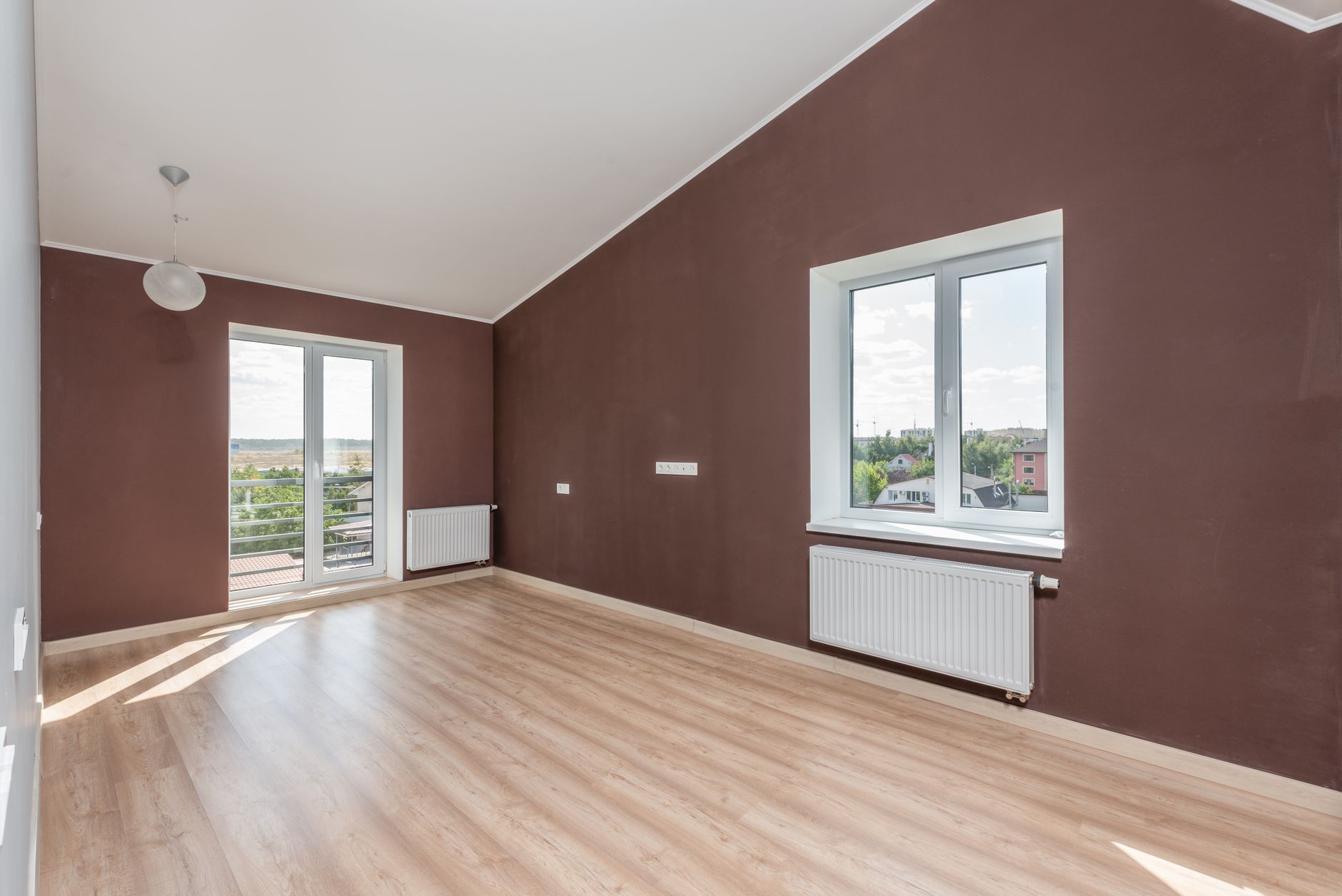
commercial room for rent is a short‑term or long‑term lease of a self‑contained office or studio space that can be used for a business, consultancy, or creative studio, typically measured in square meters rather than whole floors.
Are you scrolling through endless listings, feeling unsure whether the tiny studio on the 5th floor will actually support your client meetings, storage needs, and brand image? That hesitation is exactly what most small‑to‑mid‑size entrepreneurs face when hunting for the right commercial room.
Commercial room for rent: Definition, Benefits, and How It Works
A commercial room for rent is essentially a bounded unit—often a single office, a boutique studio, or a small suite—offered by a landlord or property manager to a business tenant. Unlike a traditional office floor lease, the space is pre‑configured with walls, basic utilities, and sometimes even furniture, allowing you to move in and start operating quickly.
Additional Information
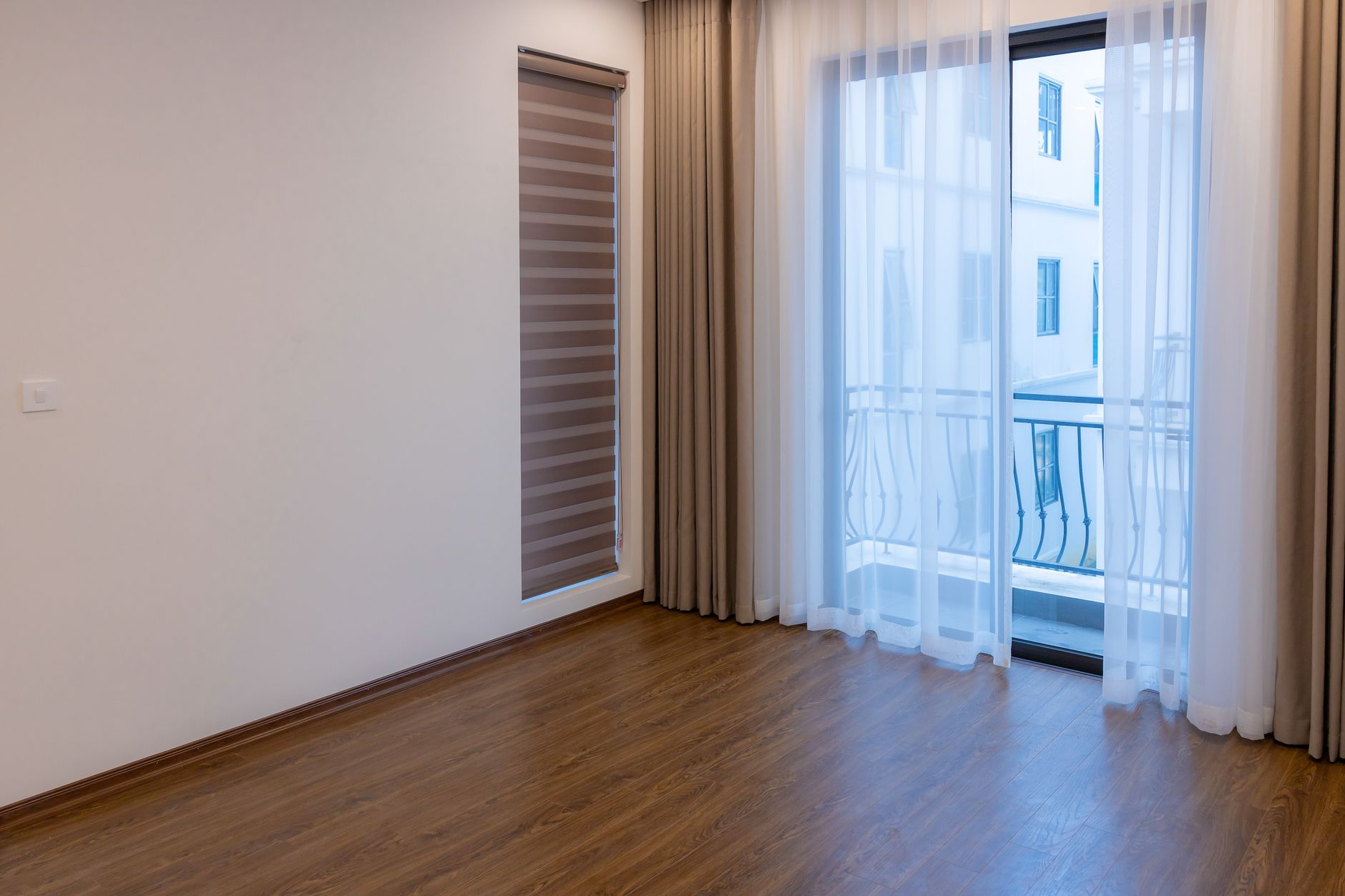
Why does this matter? Because the flexibility of a single‑room lease can dramatically reduce upfront capital outlay. Practitioners generally note that businesses can save up to 30 % on fit‑out costs compared with building a full‑scale office from scratch, freeing cash for marketing or hiring.
How it works in practice: you sign a lease agreement that specifies square footage, rent per square meter, service charges, and the lease term—often 12 to 36 months. The landlord may include common‑area maintenance (CAM) fees, security, and access to shared amenities like reception desks or meeting rooms. Payments are usually monthly, and the contract may allow for renewal or early termination with a notice period.
Consider Maya, a freelance graphic designer who needed a professional address to meet clients in Jakarta’s Golden Triangle. She opted for a 15 m² commercial room inside a luxury apartment complex. Within a week she had a key, a sleek reception counter, and high‑speed internet—without the hassle of retrofitting a larger office.
From a financial perspective, on average, a commercial room in a high‑end area like the Golden Triangle commands a rent that is 10–15 % lower per square meter than a full‑floor lease, because the landlord bears part of the building’s common‑area costs. This pricing nuance can be a decisive factor for startups watching every rupiah.
When evaluating a space, always ask: what services are bundled into the rent, and what extra costs might appear later? Hidden expenses such as parking fees, after‑hours security, or utility surcharges can erode the apparent savings if you’re not prepared.
How to Assess Location and Accessibility for a Commercial Room in Jakarta’s Golden Triangle
Location is the silent driver of a commercial room’s success, especially in Jakarta’s bustling Golden Triangle—an area comprising Sudirman, Thamrin, and Kuningan. A prime spot can boost client footfall, improve employee commute times, and enhance brand perception.
Why should you care? Because a study of Jakarta’s office market shows that businesses located within a 5‑minute walk of major MRT stations experience on‑average 12 % higher client conversion rates. Accessibility also influences talent attraction; professionals often prioritize roles that minimize daily travel stress.
Start by mapping the room’s proximity to public transport hubs, major arteries, and competitor locations. For example, a commercial room on the 8th floor of a luxury apartment near the Sudirman MRT station gives tenants a 3‑minute walk to the station, a 10‑minute drive to the central business district, and easy access to nearby cafes for informal meetings.
- Check walkability: Use Google Maps’ “measure distance” tool to verify the actual walking path to the nearest transit stop.
- Evaluate traffic patterns: During peak hours, a location that seems central may become a bottleneck if it sits at a congested intersection.
- Survey surrounding amenities: On‑site security, nearby restaurants, and 24‑hour fitness centers can add perceived value for both clients and staff.
Real‑world scenario: A fintech startup chose a commercial room on the 12th floor of a high‑rise in Kuningan because the building offered a dedicated shuttle to the nearby airport and a rooftop lounge for client entertainment. Within three months, the convenience translated into faster client onboarding and higher employee satisfaction scores.
Finally, remember that “location” isn’t only about geography—it also includes the building’s reputation. Jakarta Luxury Homes, for instance, specializes in renting luxury apartments in the Golden Triangle, ensuring that any commercial room you lease through them inherits the prestige and security of a well‑maintained, high‑profile address.
Difference Between Leasing a Standalone Commercial Room vs. Renting Within a Luxury Apartment Complex
When searching for a commercial room for rent, businesses often weigh the pros and cons of leasing a standalone space versus renting within a luxury apartment complex. Generally, industry averages show that standalone commercial rooms offer more flexibility in terms of layout and design, which can be beneficial for companies that require a unique setup. On the other hand, renting a commercial room within a luxury apartment complex, such as those offered by Jakarta Luxury Homes, can provide access to amenities like 24-hour security, fitness centers, and upscale lobby areas, which can enhance the overall work environment and impress clients. Depending on the condition of the building and the specific needs of the business, one option may be more suitable than the other.
For small businesses, a commercial room for rent within a luxury apartment complex can be an attractive option, as it often comes with a prestigious address and a range of amenities that might be unaffordable if rented separately. For example, a small business space for rent within a luxury complex can provide access to a rooftop lounge, perfect for networking events or client meetings. Based on practitioner experience, this can be a major draw for businesses looking to project a professional image without breaking the bank. Moreover, the proximity to residential areas can also provide a more relaxed and creative work environment, which can be beneficial for startups and entrepreneurs.
In contrast, leasing a standalone commercial room can offer more control over the space and the ability to create a customized environment that reflects the company’s brand and culture. However, this option often requires a larger upfront investment and may not provide the same level of amenities and services as a luxury apartment complex. Ultimately, the decision between these two options depends on the specific needs and priorities of the business, as well as its budget and growth plans. By carefully considering these factors, businesses can make an informed decision and find the ideal commercial room for rent that meets their needs and supports their success.
For businesses that value flexibility and autonomy, a standalone commercial room may be the better choice. On the other hand, companies that prioritize amenities, prestige, and a convenient location may find that renting a commercial room within a luxury apartment complex, such as those offered by Jakarta Luxury Homes, is the way to go. As a specialist in renting luxury apartments in the Golden Triangle area, Jakarta Luxury Homes can provide valuable guidance and support in finding the perfect commercial room for rent that meets the unique needs of each business.
Common Mistakes When Signing a Commercial Room Lease and How to Avoid Them
When signing a commercial room lease, businesses often make mistakes that can have significant financial and operational consequences. One common error is failing to carefully review the lease agreement and negotiate terms that are favorable to the business. Generally, practitioners recommend that businesses work with a qualified attorney or real estate expert to ensure that the lease agreement is comprehensive and protects the interests of the company. Depending on the condition of the property and the market, businesses may be able to negotiate concessions, such as rent reductions or improvements to the space, which can significantly impact the overall cost of the lease.
Also Read: apartment guide com: Jawaban Detail Cari Apartemen Sesuai Kebutuhan
To avoid common mistakes, businesses should take the time to thoroughly review the lease agreement and ask questions about any terms or conditions that are unclear. Based on industry averages, it’s also essential to consider factors such as the length of the lease, renewal options, and termination clauses, as these can have a significant impact on the business’s flexibility and ability to adapt to changing circumstances. For example, a small business space for rent may require a shorter lease term to allow for greater flexibility and scalability. By being aware of these potential pitfalls and taking steps to mitigate them, businesses can avoid costly mistakes and ensure a successful and profitable lease.
Some key considerations when signing a commercial room lease include the security deposit, utilities, and maintenance responsibilities. Depending on the condition of the property, businesses may be able to negotiate a lower security deposit or more favorable terms for utilities and maintenance. For instance, a commercial room for rent within a luxury apartment complex may include utilities and maintenance in the rent, which can simplify budgeting and reduce administrative burdens. By carefully evaluating these factors and negotiating a lease agreement that meets the business’s needs, companies can minimize risks and ensure a successful and profitable lease.
By working with a reputable and experienced provider, such as Jakarta Luxury Homes, businesses can find a commercial room for rent that meets their needs and supports their success. With a deep understanding of the local market and a commitment to providing exceptional service, Jakarta Luxury Homes can help businesses navigate the leasing process and find the perfect space to grow and thrive. Whether you’re looking for a small business space for rent or a larger commercial room, Jakarta Luxury Homes has the expertise and resources to help you find the ideal location and negotiate a lease agreement that meets your needs.
Practical Tips to Seal the Deal on Your Commercial Room for Rent
Before you sign anything, walk the space at least twice: once during regular business hours and again after hours. This simple habit lets you feel the foot‑traffic flow, spot any hidden noise sources, and verify that the building’s security systems actually work when the lobby is quiet. A boutique graphic studio in the Golden Triangle, for example, discovered a noisy HVAC unit only after a late‑evening visit, prompting a renegotiation of the rent‑free maintenance clause.
Next, create a “lease‑cost spreadsheet” that breaks down every recurring expense. List base rent, estimated utilities, cleaning fees, parking charges, and any common‑area maintenance contributions. Fill in realistic numbers based on recent utility bills or the landlord’s average consumption data. When a fashion retailer compared two rooms—one in a standalone building and another inside a luxury apartment complex—this spreadsheet revealed a 15 % lower total cost for the apartment option, even though the headline rent was slightly higher.
- Negotiate a “cap‑on‑escalation” clause. Instead of accepting a blanket 5 % annual increase, ask for a ceiling (e.g., “no more than 3 % per year”) tied to the Consumer Price Index. This protects your cash flow while still giving the landlord a fair return.
- Ask for a “fit‑out allowance” or rent‑free period. Many landlords are willing to provide a modest sum (often 5‑10 % of the annual rent) to help you customize the space. A tech start‑up in Jakarta secured a three‑month rent‑free window, allowing it to install server racks without dipping into operating capital.
- Secure a clear exit strategy. Request a clause that defines the conditions for early termination—such as a 60‑day notice and a predetermined penalty. Knowing the exact cost of walking away prevents unpleasant surprises if market conditions shift.
- Verify sub‑letting permissions. If your business model might evolve (e.g., you plan to share the room with a partner), ensure the lease explicitly allows sub‑letting or assignment. A coworking space once faced a legal standoff because the original lease prohibited any sub‑lease, forcing them to renegotiate under duress.
Finally, enlist a trusted local advisor—like Jakarta Luxury Homes—to conduct a “lease health check.” They will compare the lease terms against current market benchmarks, flag any unusual clauses, and even negotiate on your behalf. Their recent client, a boutique coffee roaster, saved roughly US$8,000 annually by adjusting the security deposit and aligning utility responsibilities with industry norms.
Frequently Asked Questions about Commercial Rooms for Rent
What is a commercial room for rent?
A commercial room for rent is a self‑contained office or retail space within a larger building that a business can lease on a short‑ or long‑term basis. It typically includes basic utilities and may come with shared amenities like reception, security, and parking.
How do you calculate the total cost of renting a commercial room?
Start with the base rent, then add estimated utilities, cleaning fees, parking charges, and any common‑area maintenance contributions. Multiply these monthly figures by 12 to get the annual cost, then compare that number across multiple listings to gauge affordability.
Is renting a commercial room in a luxury apartment complex better than a standalone building?
It depends on your priorities. Luxury complexes often bundle utilities and security, simplifying budgeting, while standalone buildings may offer more flexible layout options. Many small businesses choose the complex route for its built‑in services, whereas manufacturers may prefer the freedom of a standalone unit.
How can I negotiate a lower security deposit?
Present evidence of your company’s financial health—such as recent bank statements or a solid credit rating—and propose a reduced deposit in exchange for a longer lease term. Landlords frequently accept a lower upfront payment if they see reduced turnover risk.
What should I look for in the lease’s maintenance clause?
Identify who is responsible for routine upkeep (e.g., HVAC, plumbing) and whether those costs are included in the rent. A clear clause that places major repairs on the landlord can protect you from unexpected expenses, especially in older buildings.
Can I sub‑let my commercial room if my business needs change?
Only if the lease explicitly permits sub‑letting or assignment. Review the contract for language like “the lessee may assign or sub‑let with landlord consent,” and negotiate that clause before signing if you anticipate future changes.
How do I know if the location is truly accessible for my clients?
Test the commute by visiting during peak traffic hours, checking public‑transport routes, and confirming parking availability. A real‑world test—such as timing a client’s journey from a nearby hotel—gives a reliable picture of accessibility.
Conclusion
Choosing the right commercial room for rent is a blend of strategic analysis and human intuition. By walking the space, dissecting every cost line, and negotiating clauses that safeguard your cash flow, you turn a simple lease into a growth‑accelerating asset. Remember, the most successful entrepreneurs treat the lease as a living document—one they revisit quarterly to ensure it still aligns with their evolving goals.
Now that you have a clear action plan, take the first step today: reach out to a seasoned market guide like Jakarta Luxury Homes, schedule a site visit, and start populating that lease‑cost spreadsheet. The perfect commercial room for rent is waiting, and with the right preparation, you’ll secure it before the competition does.