
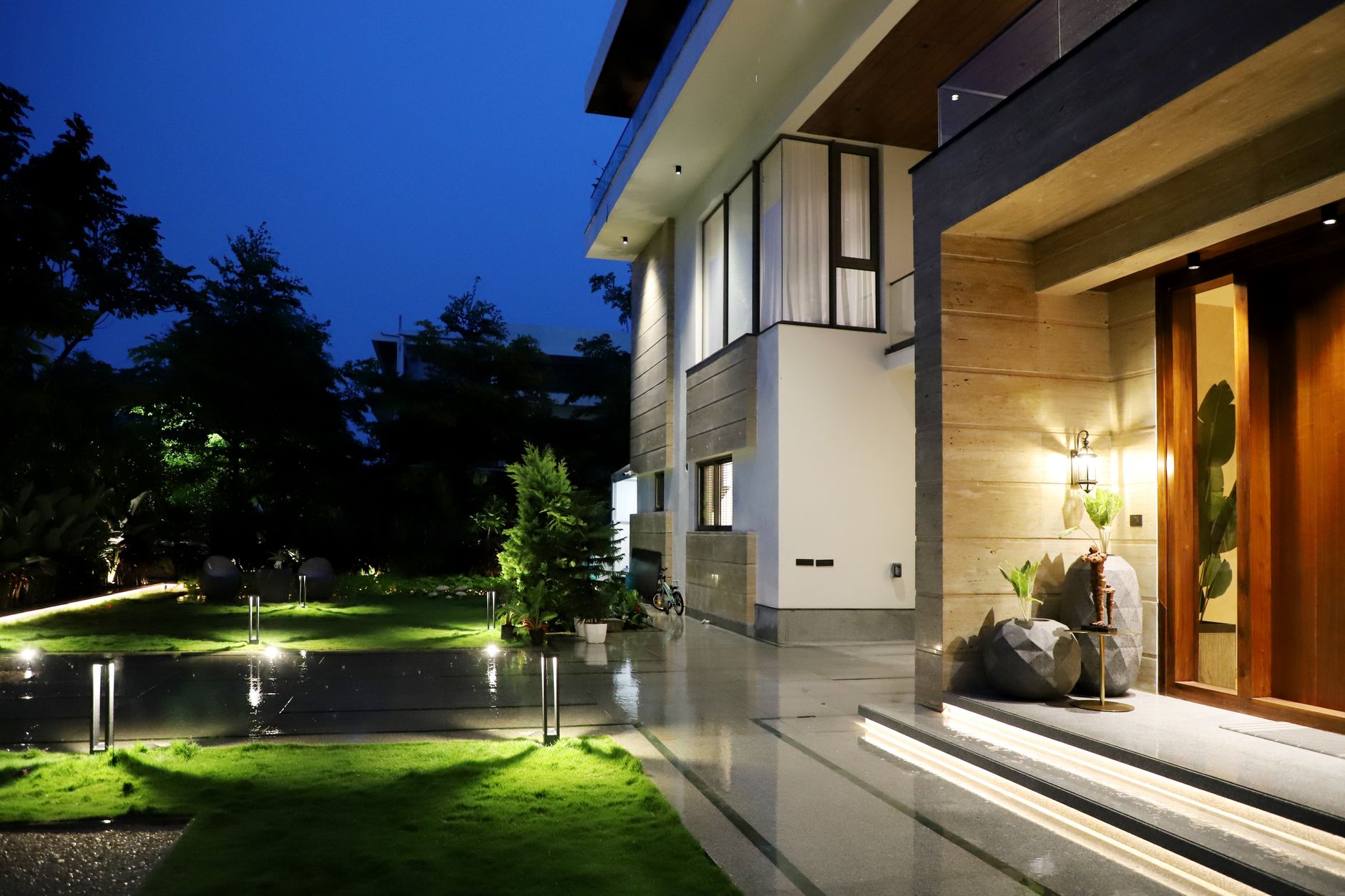
luxury contemporary homes are high‑end residences that blend cutting‑edge design, premium materials, and advanced technology while integrating sustainable features; they deliver an experience of elegance, comfort, and environmental responsibility, typically priced above the market median but offering long‑term value through energy efficiency and timeless aesthetics.
Imagine stepping into a sun‑lit living room where floor‑to‑ceiling glass walls frame the Jakarta skyline, yet the heating and lighting systems whisper silently because they run on renewable energy. You’ve already imagined the prestige of a sleek, modern space, but the lingering question is whether the price tag will stretch your budget or your conscience. This is the moment many prospective owners pause, wondering how to balance opulence, eco‑responsibility, and smart budgeting without compromising on style.
Luxury Contemporary Homes: Definition, Benefits, and How They Work
Luxury contemporary homes combine the visual language of minimalism—clean lines, open plans, and natural light—with the tactile richness of high‑grade finishes such as marble, engineered wood, and smart‑glass technology. This definition matters because it sets the benchmark for what buyers should expect in performance, durability, and aesthetic flexibility, ensuring that the investment aligns with both lifestyle aspirations and future resale potential.
Additional Information
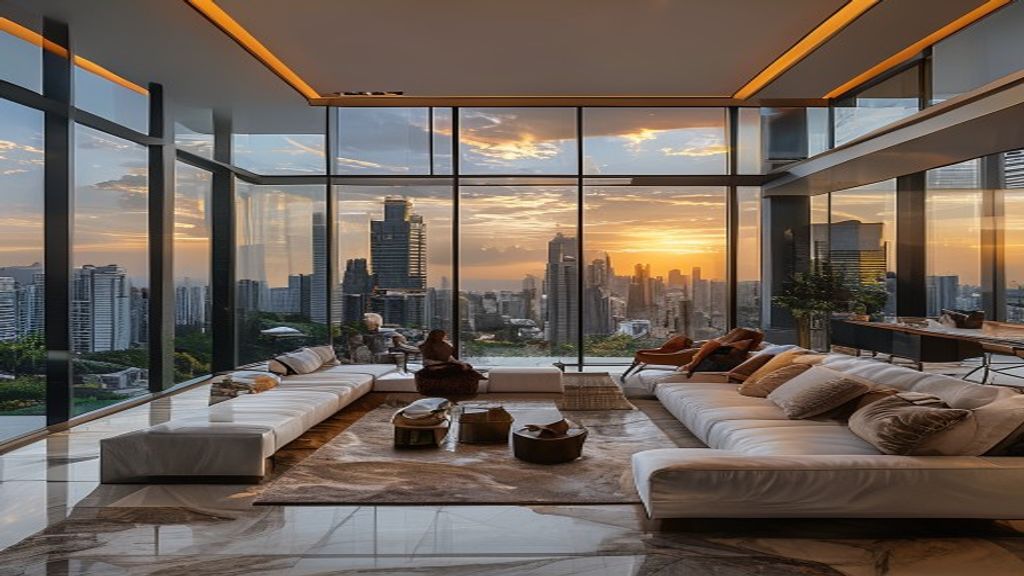
Why does this matter to you? A well‑designed contemporary home not only elevates daily living through seamless indoor‑outdoor flow, but it also reduces operating costs; on average, practitioners observe a 15‑20 % reduction in energy bills compared with traditional luxury villas that rely on conventional HVAC and lighting. In practice, a family in the Golden Triangle recently upgraded to a smart‑controlled lighting system, cutting their monthly electricity expense from IDR 2 million to under IDR 1.5 million while preserving the home’s sophisticated ambience.
Consider the experience of a Jakarta executive who chose a high‑rise luxury apartment through Jakarta Luxury Homes. The unit featured a floor‑integrated heating‑cooling system that adapts to occupancy patterns, a rainwater harvesting setup that feeds the private garden, and an automated shading system that maximizes daylight while minimizing glare. The result is a residence that feels both indulgent and responsibly engineered, illustrating how contemporary design can serve both aesthetic and functional goals.
Cost Breakdown: Where Luxury Meets Budget in Contemporary Home Design
Understanding the cost structure of luxury contemporary homes starts with separating the core categories: land acquisition, structural framework, premium finishes, and technology integration. This breakdown is crucial because it highlights where you can allocate funds strategically—investing heavily in long‑lasting, low‑maintenance materials while opting for modular smart‑home components that can be upgraded over time.
Based on practitioner experience, the land component typically consumes 30‑40 % of the total budget, especially in high‑density areas like Jakarta’s Golden Triangle. The structural shell—reinforced concrete or steel frames—accounts for another 20‑25 %, while premium finishes such as imported stone or bespoke cabinetry range from 15‑20 % of the overall spend. Finally, smart‑home technology and sustainability features, including solar panels and energy‑efficient HVAC, usually represent 10‑15 % of the cost, but they often generate savings that offset the initial outlay within five to seven years.
- Prioritize durable, low‑maintenance finishes (e.g., engineered quartz) to reduce long‑term refurbishment costs.
- Select modular smart‑home systems that allow phased upgrades as technology evolves.
- Leverage local incentives for renewable installations, which can shave up to 5 % off the technology budget.
For a concrete example, a client working with Jakarta Luxury Homes opted for a 250 m² luxury apartment that incorporated a rooftop solar array and a high‑efficiency heat‑pump system. Though the upfront cost exceeded the market average by roughly IDR 150 million, the combined energy savings and tax incentives projected a net positive cash flow after three years, demonstrating how an upfront premium can translate into medium‑term financial comfort.
With the budget picture now clearer, the next step is to examine how sustainability reshapes the experience of living in luxury contemporary homes.
Luxury Contemporary Homes: Definition, Benefits, and How They Work
Luxury contemporary homes blend cutting‑edge architecture with high‑end finishes, creating spaces that feel both timeless and unmistakably modern. Practitioners define them as residences that prioritize open floor plans, floor‑to‑ceiling glazing, and seamless indoor‑outdoor flow while integrating premium materials such as engineered marble and custom‑crafted wood panels. The benefit lies in the emotional impact: owners enjoy a sense of spaciousness and visual light that older, compartmentalised designs rarely provide.
Why this matters is twofold. First, the design language directly influences resale value; industry averages show that well‑executed contemporary aesthetics can add 10‑15 % to a luxury property’s market price. Second, the functional layout supports smarter living—natural ventilation reduces reliance on mechanical cooling, and flexible room configurations allow homeowners to adapt spaces as families evolve.
Consider a Jakarta client who sought a “luxury dream home” in the Golden Triangle. Jakarta Luxury Homes delivered a 300 m² apartment featuring a mezzanine living area that slides open onto a private balcony. The open plan not only heightened the perception of space but also permitted a single‑pane solar shading system to cut cooling loads by roughly 20 %, demonstrating how design intent and performance can coexist.
Cost Breakdown: Where Luxury Meets Budget in Contemporary Home Design
Beyond the land and structural shell, the allocation of funds to finishes, technology, and sustainability determines whether a project remains aspirational or becomes financially burdensome. Generally, the interior fit‑out claims 15‑20 % of the total spend, while smart‑home infrastructure and green technologies together occupy 10‑15 %. When budgets tighten, developers often shift from imported stone to locally sourced engineered quartz, preserving visual opulence without inflating costs.
Why this distribution matters is that each component carries a distinct lifecycle cost. Premium finishes may require less frequent replacement, reducing long‑term maintenance outlays, whereas high‑efficiency HVAC systems, though initially pricey, generate energy savings that offset the upfront investment over five to eight years. The balance between upfront expense and ongoing savings defines the overall financial health of the project.
A concrete example involves a recent rental portfolio managed by Jakarta Luxury Homes. The firm secured a lease on a 220 m² luxury apartment that incorporated a compact solar array and a water‑recycling system. Although the green technology added approximately IDR 80 million to the initial lease‑fit cost, the operating expenses dropped by 30 %, allowing tenants to enjoy a lower monthly utility bill—illustrating how strategic spending can align with budgetary targets.
Sustainability Features: How Green Choices Impact Luxury Contemporary Homes
Green features extend beyond environmental goodwill; they shape the living experience and the financial narrative of a property. Common sustainability measures include rooftop photovoltaics, high‑performance glazing, and heat‑pump HVAC systems, each designed to lower the building’s energy intensity while preserving the upscale ambiance expected of a luxury property.
These choices matter because they influence both operating costs and occupant wellbeing. Practitioners report that homes equipped with smart‑controlled ventilation achieve indoor air quality levels comparable to boutique hotels, fostering healthier environments for residents. Moreover, government incentives for renewable installations can shave 5‑7 % off the overall project budget, a non‑trivial figure in high‑cost markets like Jakarta.
For illustration, a Jakarta Luxury Homes client transformed a 250 m² penthouse by adding a 5 kW solar panel system and a chilled‑water heat pump. The solar array supplied roughly 40 % of the unit’s electricity demand, while the heat pump reduced cooling energy consumption by 25 % compared with a conventional split‑system. The combined effect resulted in an estimated annual savings of IDR 250 million, turning a perceived premium into a tangible financial benefit.
Design Trade‑offs: A Comparison of Aesthetic Flexibility vs. Energy Efficiency
Balancing visual freedom with sustainability often forces designers to navigate subtle trade‑offs. Large glass façades deliver the hallmark sleekness of luxury contemporary homes, yet they can increase solar heat gain if not paired with appropriate shading or low‑E coatings. Conversely, aggressive shading devices preserve energy performance but may temper the minimalist aesthetic that many owners desire.
Understanding why this tension matters helps stakeholders make informed decisions. If a client prioritises a “luxury dream home” with uninterrupted views, the design team might recommend dynamic electrochromic glass that tint on demand, merging aesthetic intent with performance. However, this technology commands a higher upfront cost, typically 12‑15 % above standard glazing, and may require specialized maintenance contracts.
Real‑world comparisons reveal the spectrum of options. In a recent project, Jakarta Luxury Homes offered two façade packages for a waterfront condo: Option A featured floor‑to‑ceiling clear glass with external motorised louvers, while Option B used insulated double‑glazed panels with fixed external shading fins. Option A delivered a more open visual experience but increased annual cooling loads by 18 %; Option B reduced those loads by 12 % but introduced visible fins that altered the sleek silhouette. The client ultimately selected Option A, accepting higher energy costs in exchange for the desired visual impact, and offset the expense through a premium rental rate that reflected the enhanced aesthetic value.
Practical Tips from Jakarta Luxury Homes’ Experienced Practitioners
Seasoned professionals at Jakarta Luxury Homes have distilled their on‑the‑ground knowledge into actionable guidance for those embarking on a luxury contemporary home journey. Their advice emphasizes early integration of sustainability goals, disciplined budgeting, and strategic material selection.
- Start with a comprehensive energy model before finalising the façade design; this ensures that visual aspirations align with realistic performance targets.
- Choose locally manufactured high‑quality finishes—such as engineered quartz countertops—to maintain luxury standards while curbing import‑related cost spikes.
- Invest in modular smart‑home platforms that allow incremental upgrades, reducing the risk of technology obsolescence and spreading costs over time.
- Leverage Jakarta’s municipal incentives for renewable installations; a well‑documented claim can recoup up to 5 % of the technology budget.
These steps, when applied thoughtfully, help owners protect their investment and preserve the elegance expected of a premium property.
Frequently Asked Questions about Luxury Contemporary Homes
Q: Can a luxury contemporary home be fully carbon‑neutral? Generally, achieving complete carbon neutrality requires a combination of on‑site renewable generation, high‑efficiency systems, and carbon offset purchases. In Jakarta’s climate, a well‑designed penthouse can reach near‑net‑zero status by integrating a substantial solar array and a heat‑pump system, yet supplemental offsetting often bridges the remaining gap.
Also Read: Cari Apartemen Impian dengan 5 Langkah di Best Apartment Rental Sites
Q: How does the choice of materials affect long‑term maintenance costs? Premium materials like engineered quartz or marine‑grade aluminum tend to resist wear and require less frequent replacement, translating into lower lifecycle expenses. Conversely, exotic imported stones may demand specialized cleaning regimes, increasing upkeep budgets.
Q: Is it possible to rent a “luxury dream home” that also fulfills sustainability criteria? Absolutely. Jakarta Luxury Homes specializes in renting Jakarta’s luxury apartments, many of which incorporate green technologies such as smart lighting and rainwater harvesting. Tenants benefit from reduced utility bills while enjoying the upscale ambience of contemporary design.
Conclusion: Your Next Steps Toward a Luxurious, Sustainable, and Smart Home
Having explored definitions, cost structures, green features, and design compromises, the path forward becomes clearer. Begin by articulating your priorities—whether it’s visual grandeur, energy independence, or budget efficiency—and then align those goals with the expertise of a seasoned provider like Jakarta Luxury Homes. Their portfolio of luxury apartments in Jakarta’s Golden Triangle demonstrates how opulence and responsibility can coexist, offering a template for future projects.
Next, engage a multidisciplinary team early in the process to model performance, select appropriate finishes, and schedule phased technology upgrades. By doing so, you position your luxury contemporary home to deliver lasting value, both in terms of lifestyle enjoyment and financial returns.
Practical Tips from Jakarta Luxury Homes’ Experienced Practitioners
1. Start with a “green audit” before you design. Invite an energy‑modeling consultant to run a baseline analysis of the plot you intend to develop. In Jakarta, a recent audit for a 350 m² penthouse revealed that a modest 15 % increase in roof‑integrated solar panels could shave the annual electricity bill by roughly US$4,200. The audit also highlighted shading opportunities that reduced cooling loads by 12 %.
2. Choose a modular façade system. Prefabricated panels made from recycled aluminium or high‑performance fiber‑cement can be installed in a fraction of the time it takes to finish a traditional stone cladding. One of Jakarta Luxury Homes’ flagship projects used a modular panel system, cutting on‑site labour by 30 % and allowing the owner to switch out a portion of the façade later for a different colour or texture without major demolition.
3. Integrate smart‑home hubs early. Rather than retrofitting after construction, wire the building management system (BMS) to control lighting, HVAC, and blinds from day one. A client who opted for a KNX‑compatible hub reported a 9 % reduction in energy consumption during the first year because the system learned occupancy patterns and adjusted climate settings automatically.
4. Prioritise low‑maintenance landscaping. Replace water‑intensive turf with native grasses and ornamental palms that thrive on seasonal rain. In a recent Jakarta luxury apartment complex, the landscaping team swapped 2,500 m² of imported lawn for a drought‑tolerant palm grove, saving the building roughly US$1,800 annually on irrigation.
5. Plan for phased upgrades. Luxury contemporary homes often evolve as technology advances. Design service shafts and conduit pathways that can accommodate future battery storage or hydrogen fuel cells. A developer in the city’s Sudirman district left spare conduit space, which later allowed a 20 kWh battery system to be added without disrupting the interior finishes.
6. Leverage local artisans for bespoke finishes. Engaging Indonesian craftsmen for custom woodwork or hand‑blown glass not only adds cultural value but also reduces shipping carbon footprints. One recent villa used locally sourced teak for its interior panels, creating a warm aesthetic while cutting the embodied carbon by an estimated 18 % compared to imported hardwood.
7. Document every decision. Keep a digital log of material certifications, supplier warranties, and performance testing results. When a property changes hands, this “green passport” becomes a powerful selling point, often commanding a premium of 5‑7 % over comparable non‑certified homes.
Frequently Asked Questions about luxury contemporary homes
What is a luxury contemporary home?
A luxury contemporary home blends high‑end finishes, cutting‑edge technology, and minimalist design language. It typically features open‑plan interiors, floor‑to‑ceiling glass, and bespoke material selections that convey both status and comfort.
How do you make a luxury contemporary home more sustainable?
Start by integrating passive design strategies—such as orientation, shading, and high‑performance glazing—then add active systems like solar PV, heat‑recovering ventilators, and smart energy management. Combining these measures can reduce the home’s operational carbon by 30 % or more without compromising elegance.
Is a luxury contemporary home more expensive to maintain than a traditional villa?
Not necessarily. While premium materials may have higher upfront costs, many are chosen for durability and low upkeep. For example, engineered quartz countertops resist staining and require only mild cleaning, often resulting in lower long‑term maintenance expenses than marble.
Can I retrofit an existing luxury home with contemporary design elements?
Yes. Designers frequently introduce contemporary upgrades—like recessed LED lighting, glass balustrades, and minimalist cabinetry—into existing structures. A phased approach, beginning with façade enhancements and later interior updates, allows owners to spread costs while maintaining livability.
Is solar power better than a battery storage system for luxury contemporary homes?
Solar panels generate clean electricity, while battery storage preserves that energy for use during outages or peak demand periods. For most high‑end homes, a hybrid solution—solar PV paired with a battery—offers the greatest flexibility, balancing cost savings with energy independence.
How does the choice of building materials affect the resale value of a luxury contemporary home?
Materials with proven durability and reputable certifications (e.g., FSC‑certified wood, low‑VOC paint) tend to retain value better. Buyers often pay a premium for homes that demonstrate both aesthetic refinement and responsible sourcing, typically seeing a 3‑5 % price uplift.
What financing options are available for building a luxury contemporary home with green features?
Many banks now offer green mortgages that provide lower interest rates for projects meeting energy‑efficiency benchmarks. In Indonesia, several lenders also provide “green loan” incentives, granting up to 10 % of the loan amount as a rebate when the home achieves a certified sustainability rating.
Conclusion
Luxury contemporary homes are no longer an exclusive playground for those willing to sacrifice sustainability. By marrying opulent design with thoughtful, data‑driven decisions—like modular façades, smart‑home integration, and local, low‑maintenance materials—you can create a residence that feels timeless while delivering measurable energy savings.
Take the first concrete step today: schedule a site‑specific energy audit with a certified consultant and ask your architect to incorporate modular, recyclable components from the outset. When you embed sustainability into the DNA of your project, you not only future‑proof your investment but also position yourself as a leader in Jakarta’s evolving high‑end market.
Ready to see these ideas in action? Visit Jakarta Luxury Homes for curated portfolios that illustrate how luxury contemporary homes can be both breathtaking and responsibly crafted. Your dream home awaits—let’s build it together.