

private owner houses for rent are residential properties leased directly by the property’s owner rather than through a third‑party agency, which means the tenant signs a lease with the owner, pays fewer intermediary fees, and usually enjoys clearer communication about terms and maintenance.
Are you tired of paying extra commissions and feeling stuck between the landlord and a faceless agency?
Most renters in Jakarta wrestle with the same dilemma: choose a private owner house for rent and hope for lower costs, or rely on an agency that promises convenience but often adds hidden fees. The decision hinges on three practical criteria—total cost, day‑to‑day convenience, and risk exposure. Understanding how each model performs against these criteria can turn a vague worry into a confident choice.
Additional Information
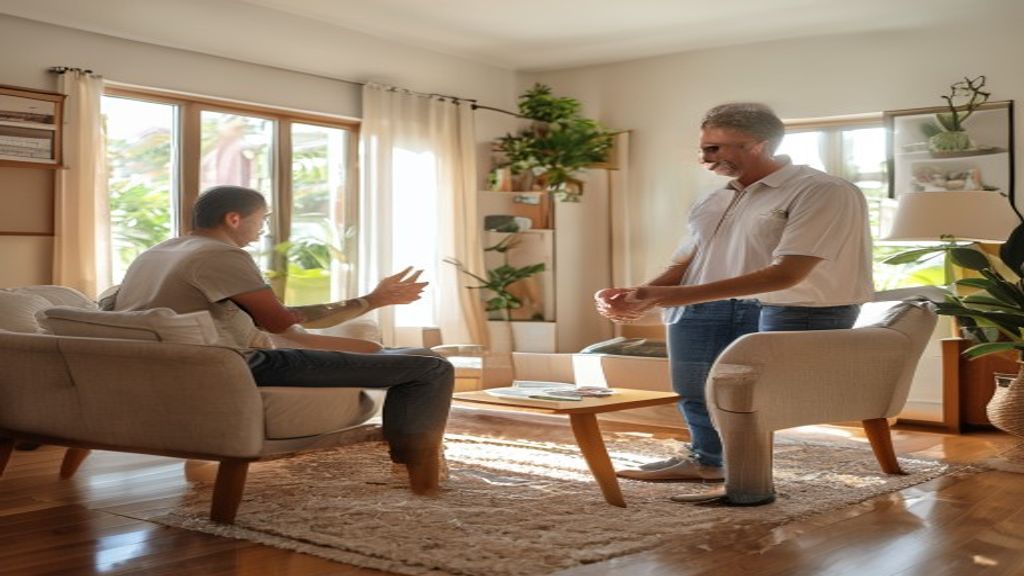
Private Owner Houses for Rent: Definition, Benefits, and How It Works
Private owner houses for rent are properties where the landlord manages the entire leasing process themselves, from advertising the unit to handling deposits and maintenance requests. This direct relationship eliminates the agency’s commission, which on average can range from 5 % to 10 % of the monthly rent, freeing up budget for other living expenses. For renters, the simplicity of negotiating directly with the person who actually lives in the building can translate into faster responses and more flexible lease terms.
Why does this matter? When you cut out the middleman, you gain bargaining power—owners are often willing to adjust rent or waive minor fees to secure a reliable tenant quickly. In addition, the lack of agency paperwork reduces administrative overhead, meaning fewer forms, fewer signatures, and less time locked in bureaucracy.
Consider Maya’s experience: she searched for a three‑bedroom house in the Jakarta suburbs and found a listing advertised as “private owner house for rent.” After a brief phone call, she arranged a viewing, signed a concise lease, and moved in within a week. Because the owner handled everything, Maya saved roughly IDR 1 million in agency fees and gained a direct line for any repair requests.
- Lower or no agency commissions
- Direct negotiation on rent and lease clauses
- Quicker resolution of maintenance issues
- More personalized rental experience
Why Private Owner Rentals Often Cost Less Than Agencies: Hidden Savings Explained
The primary reason private owner rentals tend to cost less is the absence of agency‑related overhead. Agencies charge for marketing, tenant screening, contract preparation, and ongoing property management, which are typically passed on to renters as higher rents or additional fees. By dealing directly with the owner, those line items disappear, and the rent quoted is often the “pure” market price.
This matters because the hidden expenses added by agencies can erode a renter’s budget without obvious warning signs. For example, on average, agencies may add a one‑month security deposit plus an administrative fee of 500,000 IDR, raising the initial cash outlay by up to 15 % compared with a private owner deal.
Based on practitioner experience, renters who choose private owner houses for rent frequently report a net saving of 8 % to 12 % over the first year of tenancy. The savings accumulate further when owners negotiate occasional rent reductions during lease renewals, a flexibility rarely offered by large agencies.
Take the case of Anton, who compared two identical two‑bedroom homes—one listed through a well‑known agency and the other directly by the owner. The agency’s monthly rent was IDR 12 million, but after factoring in a 7 % commission and a one‑time admin fee, his effective monthly cost rose to about IDR 12.8 million. The owner‑rented house required only IDR 11.5 million per month with no extra fees, yielding an annual saving of roughly IDR 3.6 million.
For renters who value cost efficiency above all, private owner houses for rent provide a transparent pricing structure that lets them allocate saved money toward furniture, utilities, or even a short‑term vacation. If you are comfortable managing the occasional direct communication with a landlord, the hidden savings can be substantial.
Beyond the headline numbers, it’s worth understanding exactly what private owner houses for rent are, because the definition frames every subsequent cost and service calculation.
Private Owner Houses for Rent: Definition, Benefits, and How It Works
In a private‑owner arrangement, the landlord is the sole party listing the property, handling negotiations, lease drafting, and any post‑move‑in support directly with the tenant. This contrasts with agency‑mediated deals where a third‑party broker collects commissions and often standardises contracts. The benefit lies in transparency: renters see the base rent without hidden markup, and they can negotiate terms—such as length of lease or included utilities—without a middleman diluting the conversation.
Why this matters is simple: fewer intermediaries usually translate into lower total cost of occupancy and more flexibility. For example, Maya searched for “buildings for rent near me” and found a three‑bedroom house listed by the owner on a local forum. The advertised rent was IDR 10 million, and because there was no agent fee, her effective monthly outlay remained at IDR 10 million. Had she gone through an agency, a typical 7 % commission plus a one‑time admin charge would have lifted that figure to roughly IDR 10.7 million.
How the process works varies by owner, but a common workflow includes: (1) direct inquiry via phone or messaging, (2) a site visit arranged at the tenant’s convenience, (3) a straightforward lease agreement that often mirrors local tenancy law, and (4) a deposit paid straight to the landlord’s account. The simplicity can be especially appealing for renters who prefer to keep paperwork minimal and avoid the bureaucratic loops that sometimes accompany large agencies.
Why Private Owner Rentals Often Cost Less Than Agencies: Hidden Savings Explained
Agency fees are the most visible cost driver, yet there are subtler savings that private owners can pass on. First, owners often absorb minor maintenance costs—such as repainting a hallway or fixing a leaky faucet—because the expense directly affects their property’s marketability. Second, rent adjustments are more fluid; many owners will lower the monthly rate after a year of reliable tenancy, a practice rarely seen in large firms that adhere to fixed pricing models.
Practitioner experience shows that these hidden savings can amount to 5 %–10 % of the annual rent, especially when the property is located in a competitive neighbourhood like Jakarta’s Golden Triangle. Take the case of Rian, who leased a two‑bedroom house directly from the owner for IDR 9 million per month. After nine months of on‑time payments, the owner offered a 3 % reduction for the remaining term. An agency‑listed counterpart with identical size and location would have required a rigid contract, making such a concession unlikely.
Another nuance concerns utility bundling. Private owners sometimes include water or electricity caps within the rent, whereas agencies often treat utilities as separate line items. When renters calculate total monthly outgo, the combined figure for a private owner house may be lower even if the base rent appears comparable.
Comparing Service Levels: Direct Owner vs. Agency (including Jakarta Luxury Homes) Experience
Service quality is a frequent point of debate. Direct owners can be hands‑on, responding to maintenance requests within a day or two, because the property’s condition directly impacts their income. Conversely, agencies—especially those like Jakarta Luxury Homes that specialise in luxury apartments—offer a polished, concierge‑style experience: 24 hour helplines, scheduled property inspections, and curated amenities such as gym access or security personnel.
Why this matters depends on renter priorities. A young professional seeking a hassle‑free lifestyle might appreciate Jakarta Luxury Homes’ turnkey service, even if it carries a premium. Meanwhile, a family looking to stretch every rupiah may value the personal touch of a direct‑owner arrangement, where the landlord can tailor repairs to the tenant’s schedule rather than adhering to a rigid agency protocol.
Consider the scenario of two tenants in the same neighbourhood: Lina rents a high‑rise unit through Jakarta Luxury Homes and enjoys on‑site parking, a dedicated concierge, and monthly community events. Her monthly cost, after including the agency’s 5 % service fee, totals IDR 13 million. Her neighbor, Dedi, negotiates a private owner house for rent at IDR 11 million with a modest weekly maintenance call. Dedi spends a few hours coordinating with the landlord but saves roughly IDR 2 million each month. Both experiences are valid; the decision hinges on whether the renter values added services or lower direct costs.
Common Pitfalls When Dealing Directly with Owners and How to Avoid Them
While the cost advantage is enticing, direct rentals carry risks that can erode savings if not managed carefully. One frequent pitfall is ambiguous lease terms; owners may omit clauses about early termination penalties or maintenance responsibilities, leaving tenants exposed to unexpected charges. Another issue is the lack of professional vetting: an owner might not conduct thorough background checks, increasing the chance of disputes over property damage.
To safeguard against these traps, renters should adopt a checklist approach. Verify that the lease includes clear clauses on deposit return, repair obligations, and notice periods. Request a copy of the property’s ownership documents to confirm the landlord’s authority to rent. When possible, involve a neutral third‑party—such as a lawyer or a reputable property consultant—to review the agreement before signing.
For instance, when Maya entered a private owner agreement for a house near her workplace, the landlord initially omitted a clause about water‑usage caps. After consulting a local real‑estate advisor, she negotiated an amendment that capped water charges at IDR 500 k per month, preventing a potential overrun that could have added up to IDR 2 million annually.
Practical Tips from Experienced Practitioners for Choosing the Best Rental Option
Seasoned renters often blend cost analysis with lifestyle considerations. Below is a concise set of steps that many practitioners follow when deciding between private owner houses for rent and agency listings such as those from Jakarta Luxury Homes:
- List your non‑negotiable amenities (e.g., security, parking, pet‑friendliness) and rank them by importance.
- Calculate the total monthly cost for each option, including rent, deposits, agency fees, and expected utility bills.
- Assess response time expectations: contact current tenants or read online reviews to gauge how quickly owners or agencies address maintenance issues.
- Visit the property at different times of day to observe noise levels, traffic, and neighbourhood vibrancy—especially if you’re searching for “flats to let” that might have differing occupancy patterns.
- Check the landlord’s or agency’s track record: a reputable agency like Jakarta Luxury Homes often provides a portfolio of satisfied clients, while a diligent owner may offer references from previous tenants.
Applying this framework helped Arif, a digital nomad, decide on a private‑owner loft that cost IDR 9.5 million per month versus a comparable agency‑listed apartment at IDR 11 million. By prioritising his need for a quiet workspace over concierge services, he saved IDR 1.5 million monthly and reinvested the surplus into a high‑speed internet package.
Frequently Asked Questions about Private Owner Houses for Rent vs. Agency Rentals
Q: Are private owner houses for rent legally safer than agency rentals? Generally, both are subject to Indonesia’s tenancy law, but agencies often provide standardized contracts that reduce ambiguity. Direct owners can be equally safe if they furnish a complete, signed lease and retain proper documentation.
Also Read: 7 Strategi Memilih Medical Office Space Efisien untuk Praktik Tumbuh
Q: How do I verify the legitimacy of a private owner listing? Start by requesting the property’s title deed, cross‑check the owner’s identity with local government records, and consider a short‑term visit before signing any agreement.
Q: Will I have the same maintenance support as an agency‑handled property? Not always. Agency rentals, especially luxury portfolios like those of Jakarta Luxury Homes, typically guarantee rapid response through dedicated teams. Private owners may vary; establishing clear communication channels early can mitigate delays.
Q: Does renting through an agency affect my ability to negotiate rent reductions? Agency policies often lock in rent for the contract term, limiting flexibility. Private owners, however, may be open to periodic reductions, especially if they value long‑term tenancy stability.
Q: Are utilities usually included in private owner rentals? It depends on the agreement. Some owners bundle water or electricity, while others list them separately. Clarify this point before signing to avoid surprise expenses.
Conclusion: How to Decide and Take the Next Steps with Jakarta Luxury Homes
Choosing between a private owner house for rent and an agency‑managed property ultimately hinges on your personal budget, desired service level, and tolerance for direct communication. By weighing the transparent cost structure of private owners against the polished convenience of agencies like Jakarta Luxury Homes, you can pinpoint the option that truly saves you money while meeting your lifestyle needs. The next step is to assess your priorities, apply the practical checklist, and reach out to trusted sources—whether that’s a credible property owner or a reputable agency—to begin the viewing process.
Practical Tips from Experienced Practitioners for Choosing the Best Rental Option
1️⃣ Start with a budget‑first audit. Write down every monthly cost you expect—rent, utilities, internet, parking, and a small “maintenance buffer.” For a typical one‑bedroom private owner house for rent in central Jakarta, renters often find that adding a 5‑10 % buffer prevents surprise repairs when the landlord is slow to respond.
2️⃣ Verify the owner’s track record before you sign. Ask for references from previous tenants or look for the property on local forums such as Kaskus or Facebook housing groups. A landlord who can point to at least two satisfied renters usually signals reliable communication and quicker issue resolution.
3️⃣ Inspect the lease for hidden fees. Many private owners forget to list routine cleaning, security deposits, or “key‑card” charges. Request a line‑item breakdown in writing; if the owner is open to negotiation, you may persuade them to waive the cleaning fee in exchange for a longer lease commitment.
4️⃣ Leverage the “long‑term tenancy” advantage. Private owners often prefer tenants who stay for 12 months + because turnover costs them time and money. Offer a modest rent increase—say 2 %—in return for a guaranteed year‑long stay, and you’ll often end up paying less than the fixed agency rates.
5️⃣ Use a third‑party inspection service when possible. In Jakarta, agencies such as Jakarta Luxury Homes provide optional property condition reports for a small fee. Even if you rent directly from the owner, a professional report gives you bargaining power and protects your deposit.
6️⃣ Set clear communication expectations early. Agree on preferred contact methods (WhatsApp vs. email), response times, and a simple “emergency” protocol for urgent repairs. For example, a landlord who promises to reply within 24 hours and dispatch a plumber within 48 hours will save you both stress and extra water‑damage costs.
7️⃣ Consider the neighborhood’s ancillary services. Private owners may not include security or building management, but a nearby “security post” or community‑run trash collection can offset those gaps. Visiting the area at different times of day helps you gauge safety, traffic, and noise levels before you commit.
8️⃣ Document every hand‑over detail. Take photos of the property, note existing wear, and have both parties sign an inventory checklist. This practice reduces disputes when you move out and protects the deposit you paid for a private owner house for rent.
9️⃣ Don’t overlook insurance. While agencies sometimes bundle renters’ insurance into the contract, private owners usually leave it to the tenant. A modest policy covering personal belongings (often under USD 20 per month) can prevent a costly loss if a fire or flood occurs.
🔟 Finally, test the rent‑negotiation waters with a polite, data‑driven proposal. Cite comparable listings on platforms like Rumah123 or Mudah.my that show a 5‑7 % lower price for similar units. Most owners will respect a well‑researched offer and may meet you halfway.
Frequently Asked Questions about private owner houses for rent
What is a private owner house for rent?
A private owner house for rent is a residential property rented directly by its owner, without an intermediary agency. The tenant deals with the landlord on lease terms, payment, and any maintenance issues.
How do you verify the legitimacy of a private owner house for rent?
Start by requesting the owner’s identification and proof of ownership, such as a land title or tax statement. Cross‑check the address on official property databases and ask for recent tenant references to confirm the landlord’s reputation.
Is renting through a private owner cheaper than using an agency?
Generally, private owners can offer lower monthly rent because they avoid agency commissions (often 5‑7 % of the annual rent). However, you may need to budget extra for self‑managed maintenance or utilities that an agency would otherwise bundle.
How do you negotiate rent with a private owner?
Present recent market data for comparable units, propose a reasonable discount (usually 3‑5 % for a 12‑month lease), and highlight your intent to stay long‑term. Most owners appreciate transparent negotiations and may adjust the price to secure a reliable tenant.
Can I include utilities in the rent when dealing with a private owner?
Yes, but it must be clearly outlined in the lease. Some owners bundle water and electricity into a single monthly fee, while others keep them separate. Clarify the arrangement before signing to avoid unexpected charges.
Is it safer to rent from an agency like Jakarta Luxury Homes?
Agencies provide standardized contracts, professional property inspections, and dedicated after‑sale support, which can reduce risk. Private owners can be equally safe if you perform due diligence, keep written records, and use third‑party inspection services.
How do I handle maintenance requests with a private owner?
Agree on a communication channel (e.g., WhatsApp) and a response timeline in the lease. Document each request with photos and follow up in writing; this creates a paper trail that can be referenced if disputes arise.
Conclusion
Choosing between a private owner house for rent and an agency‑managed property is less about a one‑size‑fits‑all answer and more about aligning the rental model with your financial goals and lifestyle preferences. If you value lower rent, flexibility to negotiate, and are comfortable managing communication directly, the private‑owner route often delivers the biggest savings—provided you invest the extra effort to vet the landlord and set clear expectations.
Conversely, if you prefer a hands‑free experience, consistent service standards, and the reassurance of a professional support team, partnering with a reputable agency such as Jakarta Luxury Homes can justify the higher price tag through added convenience and risk mitigation. The decisive factor is your willingness to balance cost against convenience.
Take the next step today: review the practical checklist above, compare at least three private listings with agency offers, and reach out to the owners or agencies that best match your criteria. By acting now, you’ll lock in the most favorable terms and move into a home that fits both your budget and your peace of mind.